Your day has drifted. Calibrate it.

Steadier energy through the day. Sleep that feels deeper and more restorative. Calibrate fits the right light and timing into the life you already live.

Start with your wake time. Built by Abud Bakri, MD.

One exhausting day, from waking to bedtime

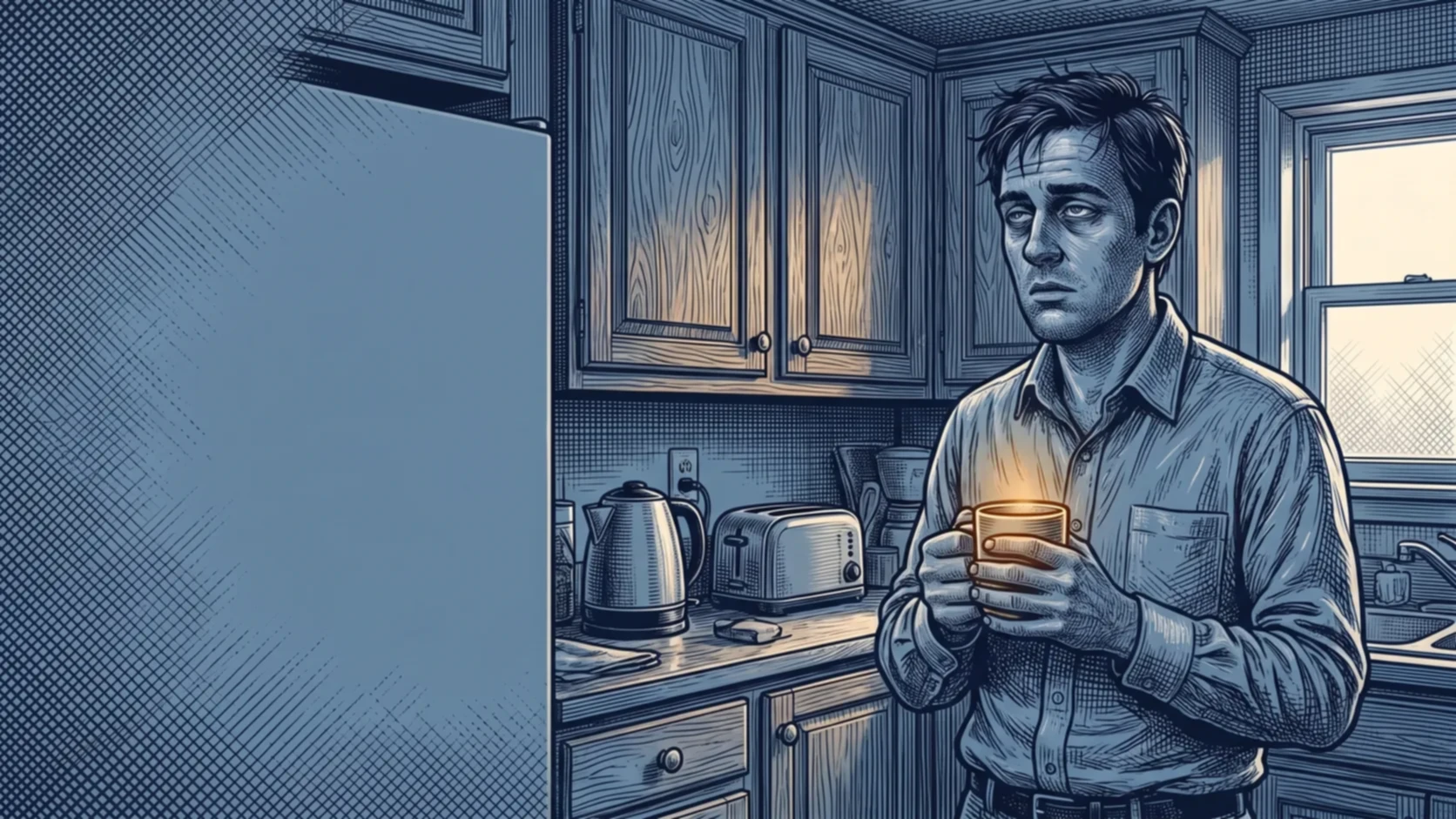
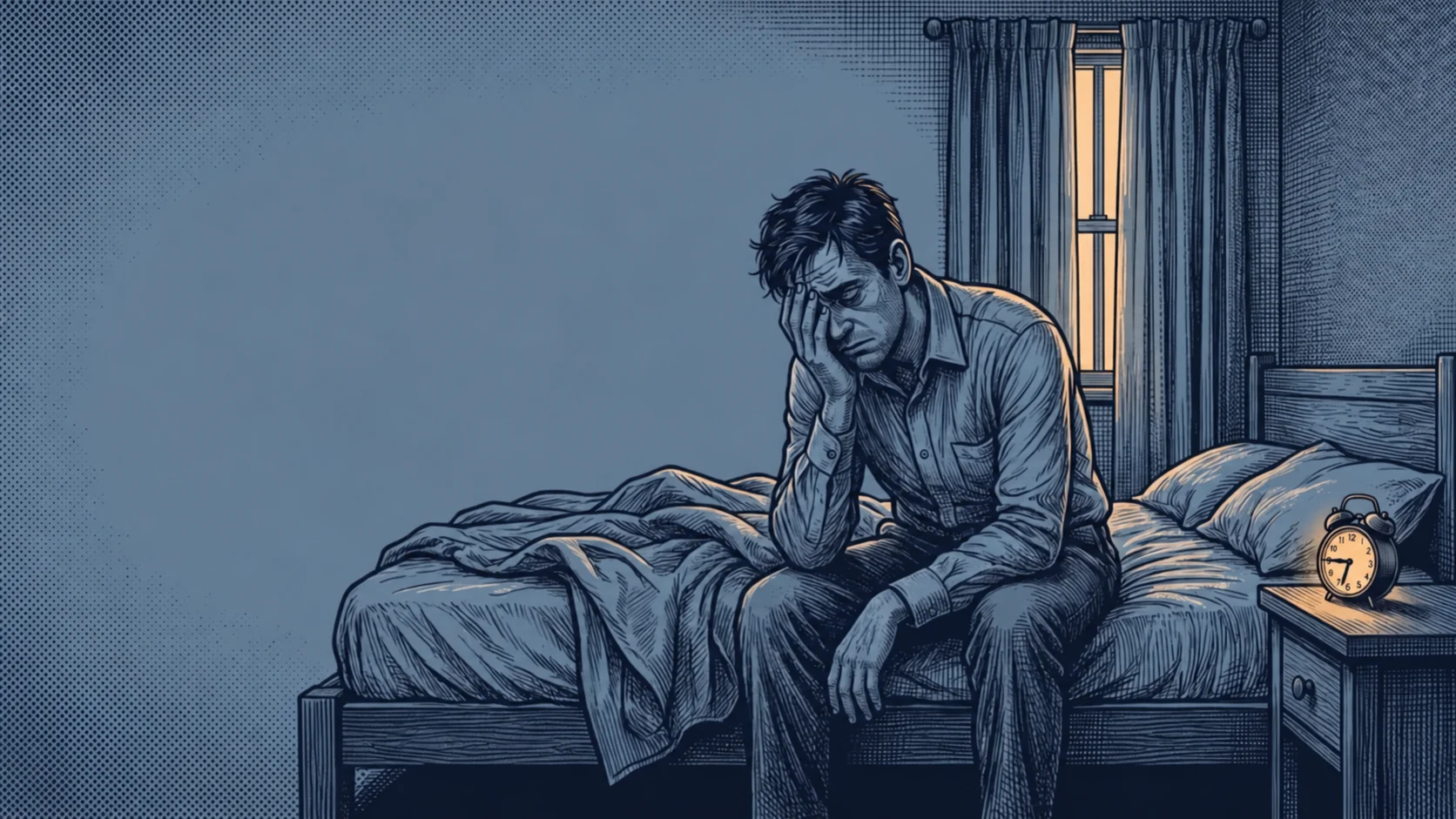
  1. 6:45 AM. The alarm goes off. You wake up feeling like you barely slept.
  2. 9:15 AM. You feel foggy until the first coffee kicks in.
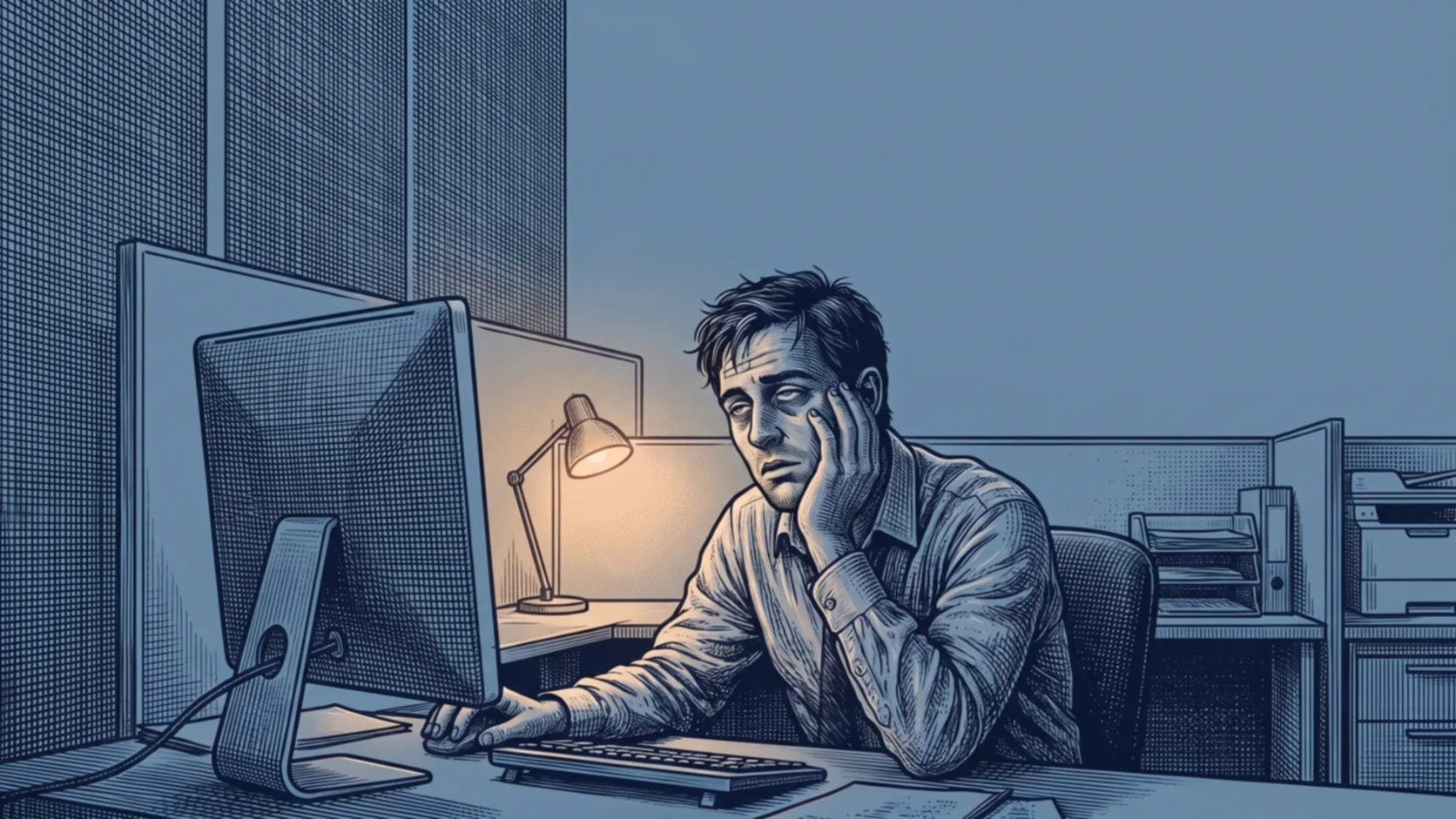
  3. 2:30 PM. By 2:30 PM, you hit a wall. Your focus drops, even when you push through.
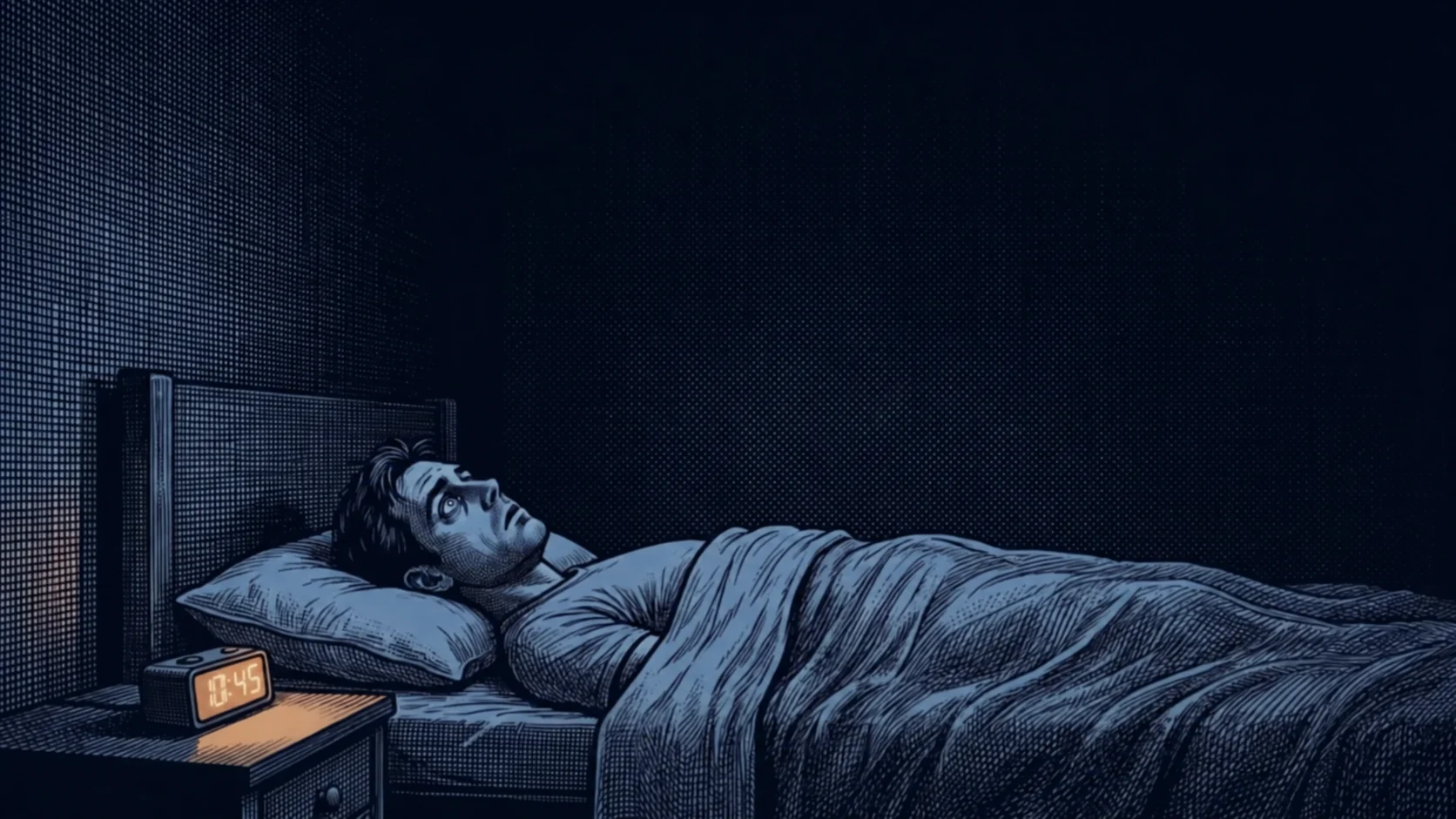
  4. 10:45 PM. You were tired all day. Now you can’t fall asleep.
6:45 AM

The alarm goes off. You wake up feeling like you barely slept.

9:15 AM

You feel foggy until the first coffee kicks in.

2:30 PM

By 2:30 PM, you hit a wall. Your focus drops, even when you push through.

10:45 PM

You were tired all day. Now you can’t fall asleep.

6:45 AM

The alarm goes off. You wake up feeling like you barely slept.

9:15 AM

You feel foggy until the first coffee kicks in.

2:30 PM

By 2:30 PM, you hit a wall. Your focus drops, even when you push through.

10:45 PM

You were tired all day. Now you can’t fall asleep.

Your eyes do more than see.

The light reaching them sets your body’s clock.

Follow the light

Light enters your eyes.

How light sets your body’s clock

  1. Light enters your eyes.
  2. Your eyes have light sensors.

    They sit at the back of the eye.

  3. They read how bright the light is, and its color.
  4. They tell your brain what time it is.
  5. Your brain uses that signal to keep time.

Bright sun is 200 times brighter than your office.

Your eyes adjust, so a room feels brighter than it is.

Outside in bright sun100,000 lux
An office at noon500 lux
100,000 lux
200brighter

Each square is the light in an office at noon. Example values; outdoor light varies with weather, season and time of day.

When getting out isn’t practical, Calibrate can recommend lighting for your workspace and when to use it.

Get my free plan

White light isn’t all the same.

Both look white. Your eyes get a very different mix.

The upper Sunlight strip shows the CIE D65 daylight spectrum on the same scale as the LED plot. Below, Average LED shows the mean of five reference profiles. Shaded regions show where daylight has more relative output. LED light still contains red wavelengths.

Sunlight
Average LED

The sun never gives you blue alone. It comes wrapped in red and near-infrared, and it’s gone by sunset. Your LEDs hit you with a blue spike, barely any red, right up until bedtime.

Sources & scale

The upper rainbow illustrates sunlight’s continuous visible color range; bar heights follow the CIE D65 daylight spectrum on the same vertical scale as the lower plot.

In the lower plot, Average LED is the arithmetic mean of five CIE phosphor-LED reference profiles (B1-B5), each normalized to equal photopic brightness over 380-700 nm using V(λ). It is not a market average. The mean and daylight D65 share one vertical scale. Bars show band averages; shading appears only where daylight exceeds the LED mean. Colors are illustrative.

Adapted from International Commission on Illumination (CIE): D65 (2019), LED reference profiles (2018), and V(λ). Data and adapted comparison: CC BY-SA 4.0.

Your day, recalibrated.

Your free plan: exactly what to do with light, and when.

Get my free plan

A sample day

Set your wake time, then explore each step.

Wake6:30 AM

Sunrise 6:45 AM · Sunset 7:37 PM
Example: San Francisco, Sample solar times

Noon3 PM6 PM
6:30 AMWake up · Your schedule

Your wake time anchors the whole plan.

  1. Your wake time anchors the whole plan.

  2. Step outside soon after waking. It tells your body clock the day has started.

    Can’t get outside? Sit by your brightest window.

  3. Take lunch or a short break outside.

  4. Catch the sunset if you can. Look around, never straight at the sun.

    Keep indoor lights low as bedtime nears.

  5. Turn down overhead lights and screens. Reading, cooking and TV are still fine.

    Use a dimmer lamp and lower your screen brightness.

  6. Give yourself enough time to sleep, and keep the room dark.

    If light gets in, try blackout curtains or a sleep mask.

Get my free plan

Your life doesn’t have to be perfect to be Calibrated.

Work, weather, family, and late nights get in the way. Calibrate builds around them.

  • A woman steps out of her office into midday sun with a coffee.

    Stuck indoors all day

    Two short trips outside can fit where one long break can’t.
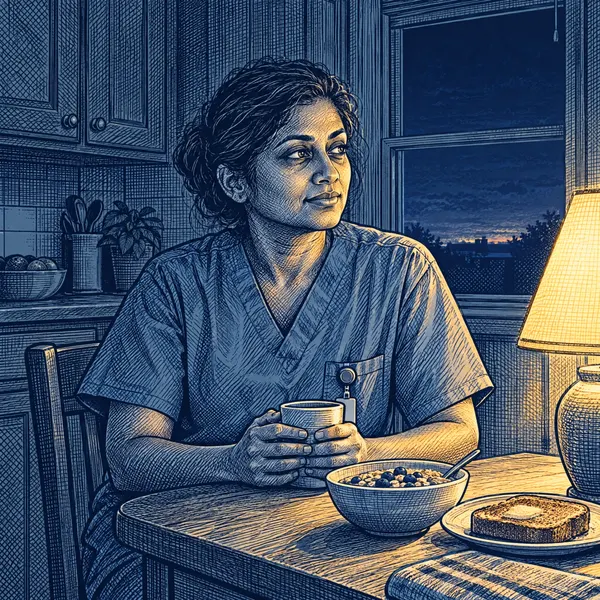
  • A nurse eats breakfast under a bright lamp before sunrise.

    Before-sunrise mornings

    Start with a bright lamp, then step outside once the sky is light.

  • A mother opens the kitchen curtains as her family eats breakfast.

    Shared home & family schedule

    Get some daylight after waking and dim the lights before bed. Work around the rest.
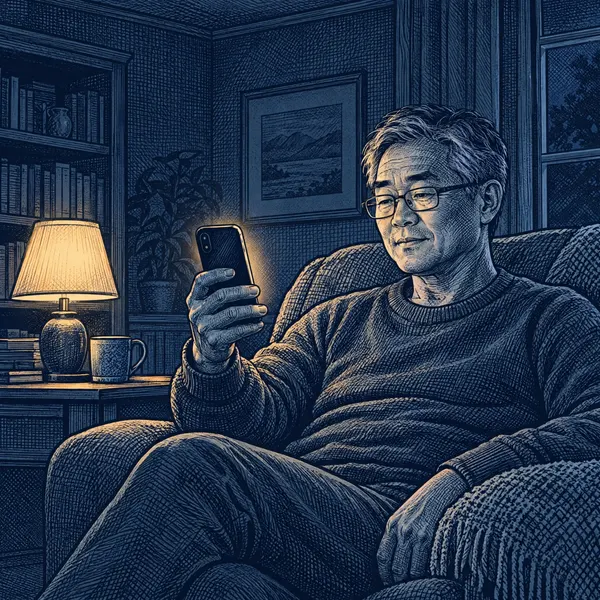
  • A man reads his phone in a lamp-lit room in the evening.

    Screens close to bedtime

    Dim it, warm it, hold it farther away, and stop earlier when you can.

  • A young woman steps onto her balcony into morning sun with a mug.

    Inconsistent bedtimes

    Get back to your usual wake time, but don’t cut sleep short to hit it.

Same time in bed.
Different recharge.

Hours in bed aren’t the same as rest. Bright days and dim evenings help the same hours feel more restorative.

See the timing that fits your day.

Get my free plan

Before you start

Abud Bakri, MD

Abud Bakri, MD

Board-certified Internal Medicine physician and graduate of the University of Colorado School of Medicine.

About Calibrate
What does Calibrate give me?
A free daily schedule: when to get daylight, when to dim the lights, and when to sleep and wake. It’s built around your day.
Is Calibrate really free?
Yes. You can get your plan without paying or entering a card.
Do I need a wearable or have to buy anything?
No. Start with daylight and the lights you already have. You don’t need a wearable or a purchase to get your plan. Buying equipment is optional.
What if I can’t follow the plan perfectly?
You can miss a step. Use the fallback that fits, or pick up at the next step. The aim is a routine you can repeat, not a perfect run.
Can I change my plan later?
Yes. Recalibrate when your schedule or constraints change. Your new answers create a new plan.
What is setup like?
Calibrate asks when you wake and sleep, how much time you spend indoors, and what your evenings look like. Then you choose the changes you can actually make.
Do I have to change everything at once?
No. Start with a change that fits your day, then build from there. The aim is a routine you can keep.
Is this based on real science?
Yes. Research on light, darkness, and the circadian system informs the plan. Light helps your body clock tell day from night; Calibrate turns that timing into practical suggestions. It is wellness education, not medical care.
Why morning light specifically?
Morning light gives your body clock an early cue that the day has started. The timing, brightness, and duration all matter, so Calibrate places it near the start of your day.
Is evening screen light really a problem?
Sometimes. A bright screen close to your eyes near bedtime can add meaningful evening light. Lowering the brightness, using it earlier, holding it farther away, or shortening the session all reduce the exposure.
What if I work night shifts?
You can enter the times you wake and sleep. Calibrate doesn’t yet build a plan around a changing shift schedule.
How is it different from a sleep tracker?
A tracker can summarize the night behind you. Calibrate gives you a plan for the day ahead: what to do next and when, built around your schedule.
Read the research

Start with your wake time.

Choose your usual wake time. Then tell us how the rest of your day works.

6:30 am

15-minute steps

100% free · No wearable · No purchase required
Calibrate: Circadian Light Timing for Your Day